

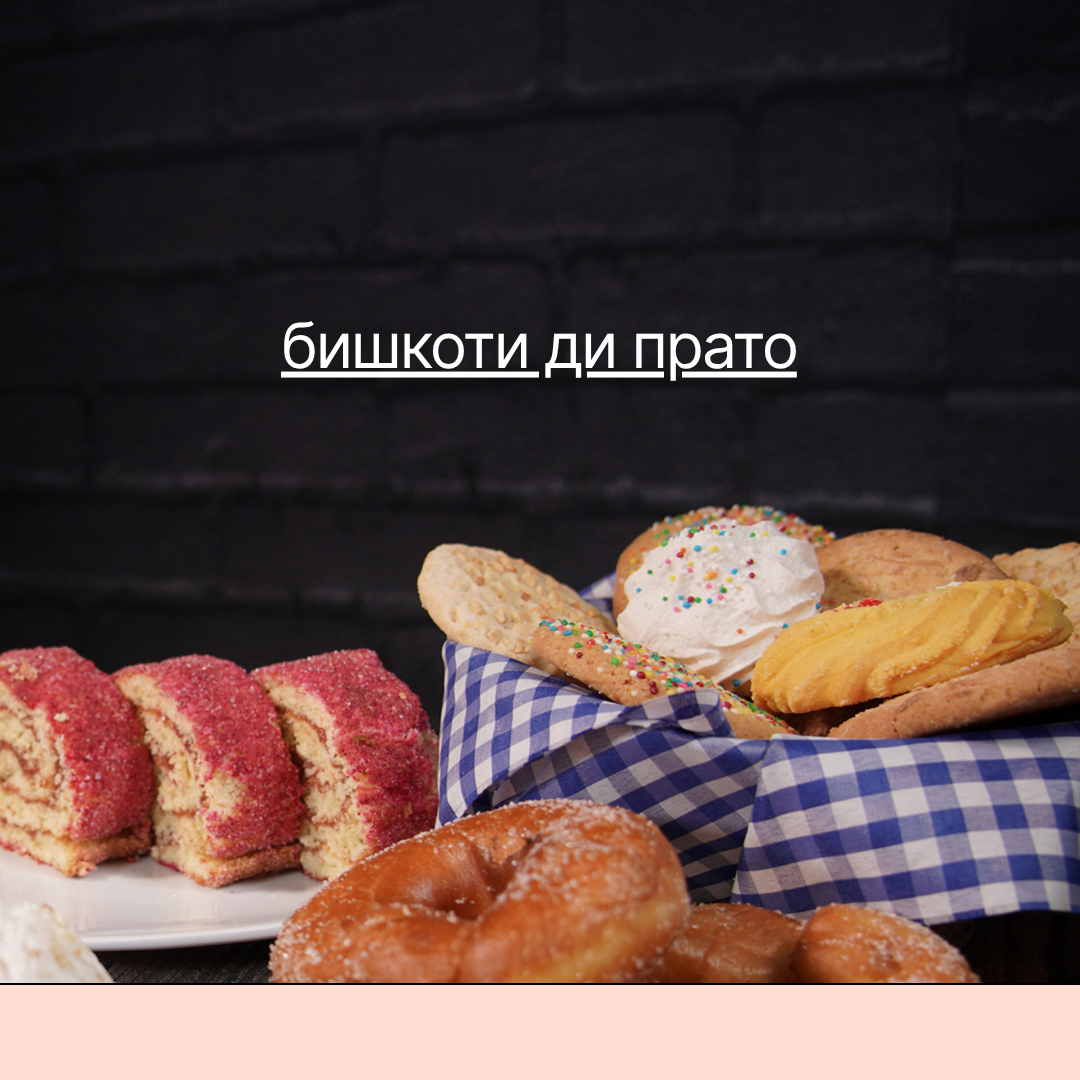
What is Бишкоти ди Прато?
Let’s dive into the crunchy world of Bишкоти ди Прато, also known as Biscotti di Prato—Italy’s iconic almond biscuit that’s more than just a cookie. These twice-baked treats are a golden, nutty bite of history, flavor, and tradition that hail from the charming Tuscan town of Prato.
The Origins of Biscotti di Prato
Originating in Prato, a medieval town in Tuscany, biscotti were first baked centuries ago as a long-lasting food for travelers and soldiers. Their dry texture helped preserve them for long journeys.
What Does “Biscotti di Prato” Mean?
“Biscotti” means “twice-cooked” in Italian, and “di Prato” simply refers to the town of their origin. So, we’re talking about twice-baked biscuits from Prato—nothing more, nothing less, but oh-so-delicious.
Why Are They So Special?
It’s the crunch and the almond richness that make them unique. Plus, they’re often enjoyed with Vin Santo, a sweet Italian dessert wine, making the experience feel like a moment of timeless Tuscan elegance.
History of Biscotti di Prato
Tuscany and Its Culinary Legacy
Tuscany is a land of hills, wines, and hearty food. From Chianti wine to rustic soups, the region is also the proud home of biscotti that have stood the test of time.
When and Where It All Began
Biscotti made their historical debut during the Middle Ages, and by the 14th century, Prato had perfected them. The original recipe featured only flour, sugar, eggs, and almonds—no butter, no oil.
Connection to the Renaissance Period
Biscotti gained popularity during the Renaissance, especially in the Medici court, where elegance met innovation. These cookies were more than dessert; they were a display of status and refinement.
Ingredients Used in Biscotti di Prato
Traditional Ingredients List
-
All-purpose flour
-
Whole almonds (unpeeled)
-
Granulated sugar
-
Eggs
-
Pinch of salt
-
Optional: lemon zest or vanilla
Importance of Almonds
Unpeeled almonds are key! They add not just crunch but also flavor and texture. Roasted almonds are even better if you want that extra depth.
Modern Ingredient Variations
Some recipes today sneak in pistachios, cranberries, chocolate chips, or anise seeds. But purists will argue: only almonds are truly traditional.
How Biscotti di Prato Are Made
Step-by-Step Traditional Recipe
First Bake (Prima Cottura)
You shape the dough into logs and bake them until lightly golden.
Second Bake (Seconda Cottura)
Once cool, the logs are sliced diagonally and baked again until dry and crispy.
The result? A delightfully firm biscuit with a toasty almond bite and crisp crunch in every nibble.
Taste, Texture, and Appearance
What Do They Taste Like?
They’re not overly sweet. Expect a subtle sweetness paired with a nutty, roasted almond flavor.
Their Unique Crunchy Texture
Biscotti are dry and crisp—perfect for dipping. That’s the whole point of baking them twice!
Visual Characteristics
Golden-brown, slightly cracked on top, dotted with whole almonds—biscotti are rustic, honest, and beautiful in their simplicity.
Cultural Significance of Biscotti di Prato
A Staple of Italian Coffee Culture
Biscotti are a café essential in Italy. One cookie, one espresso—it’s a simple but powerful ritual.
Biscotti and Vin Santo Tradition
The traditional pairing? Vin Santo. Dipping the crunchy biscuit in this amber dessert wine softens it into a sweet, chewy indulgence.
Symbol of Tuscan Hospitality
Offering biscotti with a small glass of Vin Santo is considered a warm, Tuscan welcome.
Biscotti di Prato vs Other Biscotti
Cantucci vs Biscotti: Are They the Same?
In Tuscany, they’re called cantucci. Elsewhere, they’re simply “biscotti.” But yes—they’re essentially the same.
Comparison with American Biscotti
American versions often include butter, baking powder, and endless flavors. While tasty, they’re softer and less “authentic.”
Modern Variations and Twists
Chocolate Dipped Biscotti
Some modern versions are half-dipped in dark or white chocolate—a delicious but non-traditional twist.
Pistachio, Lemon Zest, and Other Flavors
You’ll find gourmet bakeries adding citrus zest, dried cherries, or even matcha. It’s creative, but don’t call them Biscotti di Prato!
How to Enjoy Biscotti di Prato
Dipping in Coffee or Vin Santo
Dip them in espresso for a morning pick-me-up or in Vin Santo after dinner—either way, delizioso!
Pairing with Cheese and Fruit
Serve with gorgonzola or ricotta and fresh figs for an elegant appetizer or dessert plate.
Breakfast, Snack, or Dessert?
Biscotti are versatile—they fit into all three categories. Have one with your cappuccino or end the meal with a crunch.
Making Biscotti at Home
Easy-to-Follow Homemade Recipe
-
Mix eggs and sugar until fluffy.
-
Stir in flour and almonds.
-
Shape into logs and bake.
-
Slice and bake again.
Tips for the Perfect Crunch
Let them cool completely before the second bake. And never rush slicing—use a serrated knife to avoid crumbling.
Where to Buy Authentic Biscotti di Prato
Famous Bakeries in Prato and Beyond
Check out Antonio Mattei bakery in Prato—considered the birthplace of biscotti. Their blue bags are iconic.
Online Stores That Ship Worldwide
From Eataly to Amazon, many shops ship authentic biscotti globally. Look for “Biscotti di Prato” on the label.
Biscotti di Prato in Popular Culture
TV Shows and Books Featuring Biscotti
From Italian cooking shows to novels set in Tuscany, biscotti often appear as symbols of comfort and culture.
Their Place in Italian Tourism
No visit to Tuscany is complete without a bite of biscotti in a rustic café, surrounded by stone streets and history.
Health Aspects of Biscotti di Prato
Nutritional Information
Low in fat (no butter!) and sugar-light, they’re a guilt-free treat in moderation.
Are They Healthy?
Yes, especially when compared to butter-loaded cookies. Almonds add healthy fats and protein.
Storing and Preserving Biscotti di Prato
How Long Do They Last?
Stored in an airtight container, they last up to 2–3 weeks—sometimes even longer.
Best Storage Methods
Keep them in a cool, dry place. No need for refrigeration. Just avoid humidity!
Conclusion: The Timeless Charm of Biscotti di Prato
Bишкоти ди Прато are more than just cookies—they’re crunchy bites of Tuscan tradition. With a long shelf life, rich almond flavor, and elegant simplicity, they’ve charmed food lovers for centuries. Whether dipped in coffee or sipped with Vin Santo, they remain a symbol of Italy’s culinary excellence. Try baking your own, or better yet—plan a trip to Prato and experience the real thing.
FAQs
1. What is the difference between biscotti and cantucci?
They’re the same! “Cantucci” is the Tuscan name; “biscotti” is more general.
2. Can I make them gluten-free?
Yes, just use a 1:1 gluten-free flour blend. The rest stays the same.
3. Why are they baked twice?
The double bake removes moisture, giving them their famous dry crunch.
4. How long do homemade biscotti last?
About 2–3 weeks in a sealed container, sometimes more if stored properly.
5. Are they eaten hot or cold?
Usually cold, but dipping them in a warm drink gives the perfect soft-chew combo!