

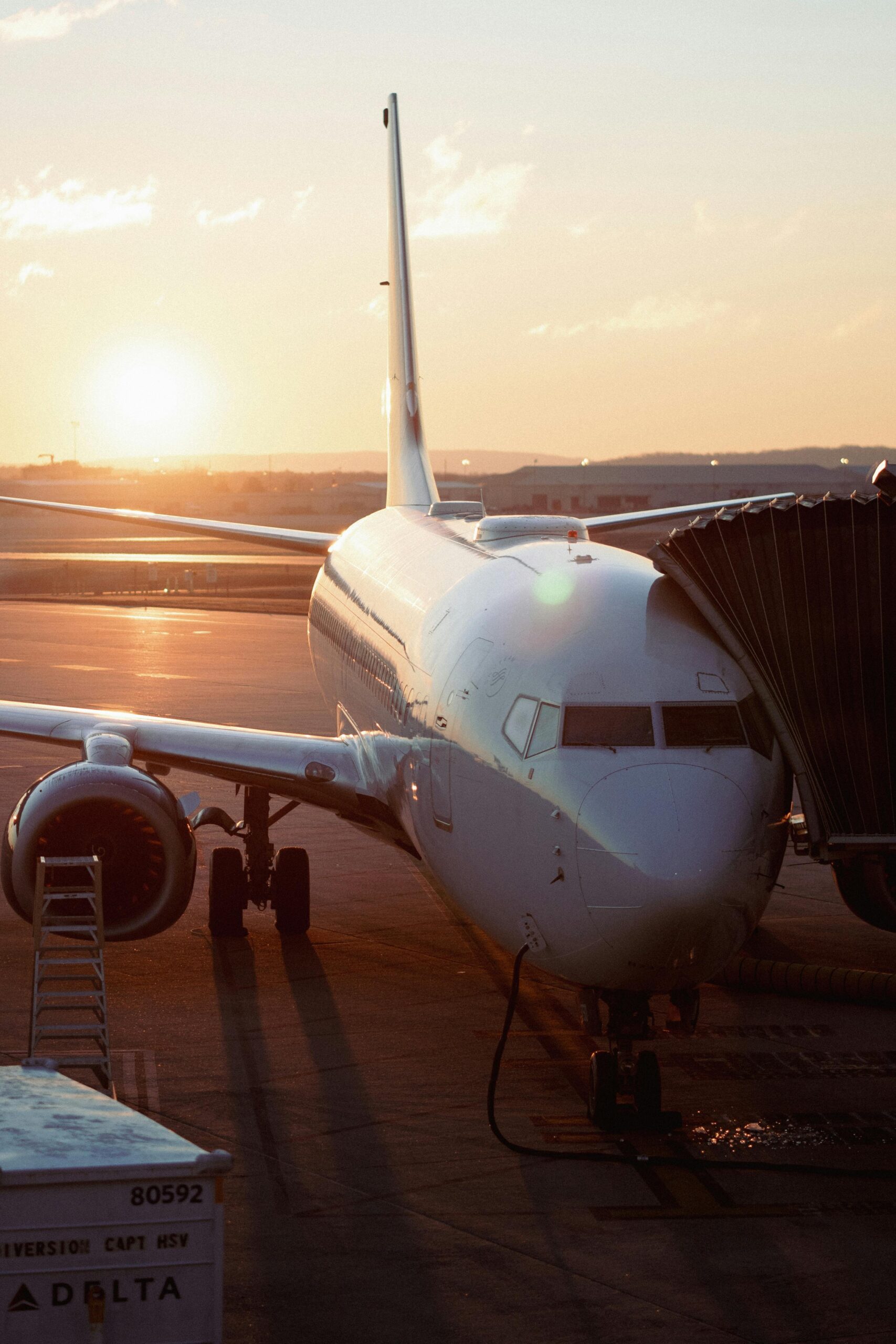
When you book a long-haul international flight, the last thing you expect is an unexpected diversion and an in-flight scare. That’s exactly what happened with Delta Flight DL275, a Detroit-to-Tokyo flight, which was diverted to Los Angeles (LAX) due to a serious engine issue. This wasn’t just a routine diversion—reports, videos, and passenger accounts revealed an engine fire and potential engine anti-ice system failure, making this incident particularly alarming.
In this in-depth analysis, we’ll break down everything: what happened during the flight, why the diversion to LAX was necessary, the technical issues involved, how the crew handled it, and what it means for passengers and aviation safety.
1. Flight Overview: What Was Delta DL275?
Delta Flight DL275 was scheduled as a long-haul flight from Detroit Metropolitan Wayne County Airport (DTW) to Tokyo Haneda Airport (HND). Operated by a Boeing 767-300, this flight serves as a critical link between the U.S. and Asia for both business travelers and tourists.
Flight Details:
-
Airline: Delta Air Lines
-
Flight Number: DL275
-
Aircraft: Boeing 767-300
-
Departure Airport: Detroit (DTW)
-
Destination: Tokyo Haneda (HND)
-
Diversion: Los Angeles International Airport (LAX)
Just hours after takeoff, the flight encountered technical issues that led to an immediate decision by the crew to divert—but not back to Detroit. Instead, they opted for Los Angeles, a choice we’ll explore further in this article.
Why does this matter? For passengers, understanding why flights divert and how airlines make these decisions can help reduce fear during such incidents. For aviation enthusiasts, this case provides a fascinating look into real-world flight operations and emergency protocols.
2. The In-Flight Engine Incident: What Really Happened?
Midway through the flight, passengers began noticing something unusual: flames were visibly shooting out of one of the engines. Multiple passengers recorded the incident, and these videos quickly circulated online.
According to initial reports, the engine appeared to suffer a malfunction shortly after departure. Passengers sitting near the affected wing described hearing loud popping sounds, followed by the sight of flames emitting from the engine cowling.
Passenger Reactions
Some passengers panicked, others stayed calm, but the overwhelming feeling was fear. Imagine sitting on a transpacific flight, expecting a smooth journey, and suddenly seeing flames outside your window—it’s terrifying.
One passenger told a news outlet:
“It felt like something out of a movie. The lights flickered, the engine made strange noises, and then we saw fire. I just prayed we’d land safely.”
Pilot’s Quick Response
Within minutes, the pilot declared an emergency and coordinated with air traffic control. The plane began a gradual descent toward Los Angeles while the crew assured passengers that everything was under control.
The good news?
No injuries were reported, and the plane made a safe landing at LAX, where emergency crews were already on standby.
3. Anti-Ice System Failure: The Underlying Cause?
While an engine fire was the visible issue, aviation experts believe the root cause may have been an engine anti-ice system failure.
What Is an Engine Anti-Ice System?
On commercial aircraft, these systems prevent dangerous ice buildup on the engine inlets during flight. Without proper functioning anti-ice mechanisms, ice can form, break off, and cause severe engine damage or fire.
Why Does This Matter?
Flying at high altitudes means exposure to extreme temperatures. A failed anti-ice system can quickly escalate into an emergency, especially if ice accumulation affects engine performance or causes secondary failures.
Experts suggest that Delta’s maintenance team will likely investigate whether the failure was a mechanical defect, wear-and-tear issue, or a software-related malfunction in the aircraft’s system.
This is not just a small technical problem—it’s a critical safety feature. When it fails, pilots must immediately make risk assessments and, as in this case, divert the flight to the nearest suitable airport.
4. Why Divert to LAX?
Some might wonder: Why did the pilots choose Los Angeles International Airport instead of turning back to Detroit?
The answer comes down to safety, logistics, and regulations.
Why Los Angeles Was the Best Choice
-
Proximity: From the plane’s midwestern position, LAX was closer than returning to Detroit or continuing to Tokyo.
-
Facilities: LAX is equipped for handling wide-body aircraft emergencies and has one of the best emergency response teams in the U.S.
-
Delta Hub Operations: While not as big as Atlanta or Detroit for Delta, LAX still provides strong operational support, making it easier to handle passengers and reroute flights.
-
Medical & Emergency Services: LAX has top-tier emergency services in case of injury or further complications.
By choosing LAX, the crew ensured the safest and most efficient diversion possible, prioritizing passenger safety over operational costs.
5. Crew Response: Handling a Mid-Air Crisis
One of the most praiseworthy aspects of this incident was the crew’s response.
Pilot Decisions
The pilots followed standard emergency protocols:
-
Declared an emergency with ATC.
-
Shut down the affected engine (if needed) to prevent escalation.
-
Calculated fuel levels for safe descent.
-
Coordinated with ground emergency services.
Flight Attendants’ Role
Flight attendants played a huge role in keeping passengers calm, instructing them on brace positions, and ensuring everyone remained seated during the emergency descent.
Emergency Landing
Upon arrival at LAX, fire trucks, paramedics, and airport emergency responders surrounded the aircraft. Within minutes, passengers were safely deplaned.
The smooth handling of this incident showcases why crew training is critical for scenarios that might be rare but potentially life-threatening.