

Table of Contents
ToggleIntroduction
Imagine sitting in your seat, 35,000 feet in the air, and suddenly the captain’s voice breaks the usual hum with: “This is your captain speaking, we’re making an emergency landing.” That was the reality for passengers aboard United Airlines Flight UA770, an ordinary flight that turned into a high-stakes emergency diversion.
But what exactly happened? And how did the crew, airline, and authorities respond? Let’s dive deep.
Background of Flight UA770
Flight Route and Aircraft Details
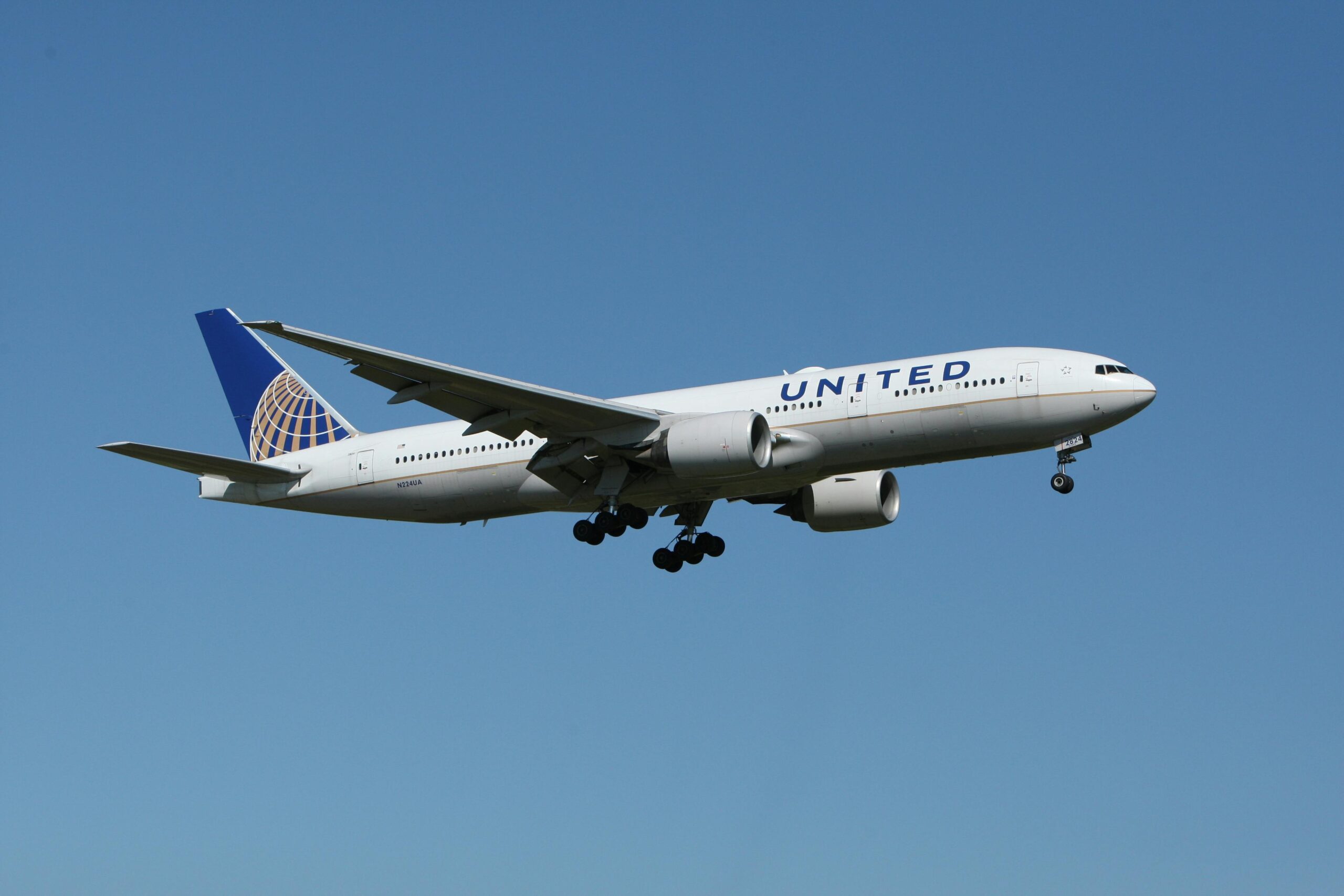
Flight UA770 was scheduled to fly from San Francisco International Airport (SFO) to Chicago O’Hare International Airport (ORD). The aircraft in question was a Boeing 737-900, a reliable and commonly used jet in the United fleet.
Passenger Count and Crew Members
Onboard were 178 passengers and 6 crew members. All were unaware that their routine journey would soon take a sudden detour.
Weather and Flight Conditions
The weather was initially reported to be favorable, with clear skies and no severe turbulence expected — which made the unfolding events all the more unexpected.
The Emergency Incident
Timeline of Events
Roughly 1.5 hours into the flight, the cockpit detected a technical fault — either with the hydraulics or one of the engines (as speculated in early reports). The decision to divert the flight was made within minutes.
Nature of the Emergency
Sources have suggested a mechanical anomaly, possibly involving the engine or cabin pressurization system, triggered alarms that demanded immediate pilot action.
Pilot’s Response and Communication
The captain calmly informed passengers that they would be making an unscheduled landing due to a technical issue. Communication with Air Traffic Control (ATC) was swift and decisive.
Air Traffic Control Coordination
ATC rerouted airspace to prioritize UA770’s descent and ensured a clear runway at the chosen diversion airport. Coordination was crucial in avoiding further risks.
Emergency Diversion Details
Airport Selected for Diversion
Flight UA770 was diverted to Denver International Airport (DEN) — a major hub with facilities to handle emergencies and large aircraft.
Ground Crew Response
Emergency vehicles lined the runway upon approach. Ground teams were on standby with fire engines, ambulances, and mechanical inspection teams.
Evacuation or Landing Procedures
Thankfully, the landing was smooth and uneventful. There was no need for a rapid evacuation, and passengers disembarked calmly once the aircraft was towed to a gate.
Passenger Experience
Reactions Onboard
Passengers described feeling tense and confused during the announcement but praised the professionalism of the crew.
Statements from Passengers
“I’ve never been more scared in the air,” said one traveler. Another added, “The flight attendants were so composed — they helped everyone stay calm.”
How the Crew Managed Panic
The cabin crew immediately reassured passengers, conducted safety checks, and ensured everyone remained seated with seatbelts fastened.
Airline Response
Official Statement by United Airlines
United quickly released a statement confirming the diversion, noting, “The crew followed all standard protocols. Safety is our top priority.”
Support Offered to Passengers
Passengers were rebooked on alternate flights or given hotel accommodations. Refreshments, apologies, and updates were offered onsite.
Compensation and Next Steps
While no formal compensation packages were publicly confirmed, some passengers reported receiving travel vouchers and priority assistance.
Investigation and Safety Protocols
Role of FAA and NTSB
The Federal Aviation Administration (FAA) initiated an investigation, while the National Transportation Safety Board (NTSB) monitored the situation closely.
Inspection of the Aircraft
The plane underwent a thorough mechanical inspection, including diagnostic testing of all systems.
Preliminary Findings
While nothing conclusive has been released, early indicators suggest a sensor malfunction may have triggered precautionary alerts.
Media Coverage and Public Reaction
Social Media Buzz
#UA770 began trending on X (formerly Twitter) with real-time updates from passengers and aviation reporters.
News Reports Summary
Major outlets like CNN, NBC, and Reuters covered the story, praising the professionalism of the flight crew.
Impact on Airline Reputation
Though United Airlines faced questions, the effective response helped maintain — if not boost — their reputation for handling emergencies.
What Could Have Gone Wrong?
Mechanical vs. Technical Issues
Engine failure, hydraulic loss, or even false positive alerts can trigger diversions. Safety protocols demand pilots act with caution.
Human Error Possibilities
While highly unlikely, pilot error is always investigated — though in this case, crew conduct was described as “textbook perfect.”
Previous Similar Incidents
United, like most major carriers, has seen diversions before — but this one stood out due to public attention and fast online sharing.
Lessons Learned
Importance of Training and Preparedness
This incident reinforced the importance of regular crew training and emergency preparedness.
Technology and Communication Upgrades
Airlines may re-evaluate cockpit alert systems and introduce advanced diagnostics to prevent false alarms.
Future Safety Measures
More stringent inspections and system upgrades will likely follow to prevent similar occurrences.
Passenger Rights in Emergency Diversions
What Passengers Should Know
In emergencies, safety comes first — but passengers are still entitled to updates, care, and rebooking.
Airline Obligations
Airlines are expected to accommodate, compensate, and communicate transparently during such events.
Tips for Travelers
Always keep important contacts, medications, and essentials in your carry-on — just in case.
Comparing with Past Incidents
United Airlines History
United has dealt with past diversions with similar efficiency, reinforcing trust in their crisis management.
Industry-Wide Emergency Handling
All airlines follow FAA protocols during emergencies — United’s handling of UA770 sets a strong benchmark.
Expert Opinions
Aviation Safety Experts Weigh In
Experts agree: the pilot’s decision to divert likely prevented a more serious incident.
United Airlines Flight UA770 Emergency Diversion
How United Airlines Handled the Aftermath
Crisis Management Strategy
United Airlines acted quickly, implementing their crisis response protocols. They kept the media and passengers informed, avoided speculation, and maintained a tone of calm professionalism throughout.
Customer Care Follow-Up
Passengers received assistance through United’s mobile app and airport service desks. Most were rebooked within hours, while those needing accommodation were provided with hotels and transportation.
Media Handling
By releasing timely, factual statements and making leadership available for interviews, United Airlines kept control of the narrative and avoided panic or misinformation.
Conclusion
The emergency diversion of United Airlines Flight UA770 was a powerful reminder that even the safest flights can face surprises. But what stood out was the calm, expert response from the flight crew, air traffic control, and ground teams. The incident, while frightening, ended safely — thanks to training, protocols, and a bit of quick thinking.
While no airline wants to face an emergency, it’s moments like these that test their readiness — and United passed with flying colors.
FAQs
1. What caused the UA770 emergency diversion?
Initial reports point to a potential technical malfunction, though investigations are ongoing.
2. Was anyone injured during the incident?
No, all passengers and crew landed safely without injury.
3. What happens after a flight is diverted?
Passengers are typically rebooked, and the aircraft undergoes immediate inspection.
4. Do passengers get compensation for diverted flights?
Airlines may offer compensation depending on the cause — in this case, some passengers received travel vouchers.
5. Is flying still safe after incidents like this?
Yes. Diversions are precautionary and show that systems are working as they should — prioritizing safety above all.